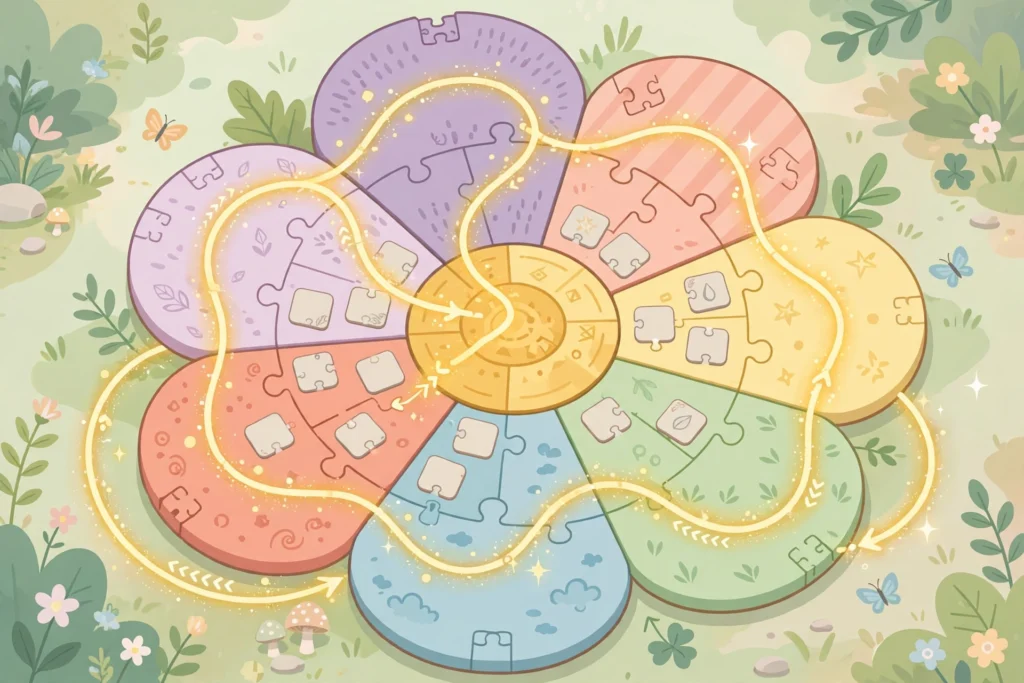
Quick answer: A Blossom word solver process replaces random guessing with a system: anchor on the center letter, grow word stems, test common endings and letter pairs, and check each petal in turn. This step by step method finds more valid words, protects your twelve scoring slots, and makes pangrams easier to spot. The guide below lays out the full process with examples of how each check works.
Follow a Blossom word solver process based on stems, endings, letter pairs, and systematic checks instead of random guessing. This independent guide is written for US English players and does not claim affiliation with Merriam-Webster.
What this search usually means
Someone searching for blossom word solver normally wants a direct route into the puzzle and a reliable explanation of what counts. The useful answer is not a wall of vague encouragement. It is a clear model of the board: seven available letters, one required center letter, and a limited set of scoring choices. Blossom Word Solver Guide: Find More Words Step by Step focuses on solving method. That focus matters because a player can know many words and still lose points by using the right word in the wrong round. Start by reading the whole letter set, then identify familiar word families before submitting anything. Keep a small reserve of longer entries so a later bonus letter does not catch you without a strong option. This approach turns the puzzle from random recall into a manageable sequence of decisions.
The core rule set
Every accepted entry should use only the letters displayed on the flower and include the center letter. Standard versions require at least four letters, allow a letter to be reused, and reject proper names, hyphenated forms, and entries outside the game dictionary. A strong round also respects the twelve-word limit. That limit changes the goal from finding every possible word to choosing the best combination. Short words can confirm that you understand the board, but filling all available slots too early can block a better score. Treat stems and endings as connected ideas: first verify legality, then judge value. If a word is uncertain, keep it in a draft list until you have tested stronger alternatives.
A practical step-by-step method
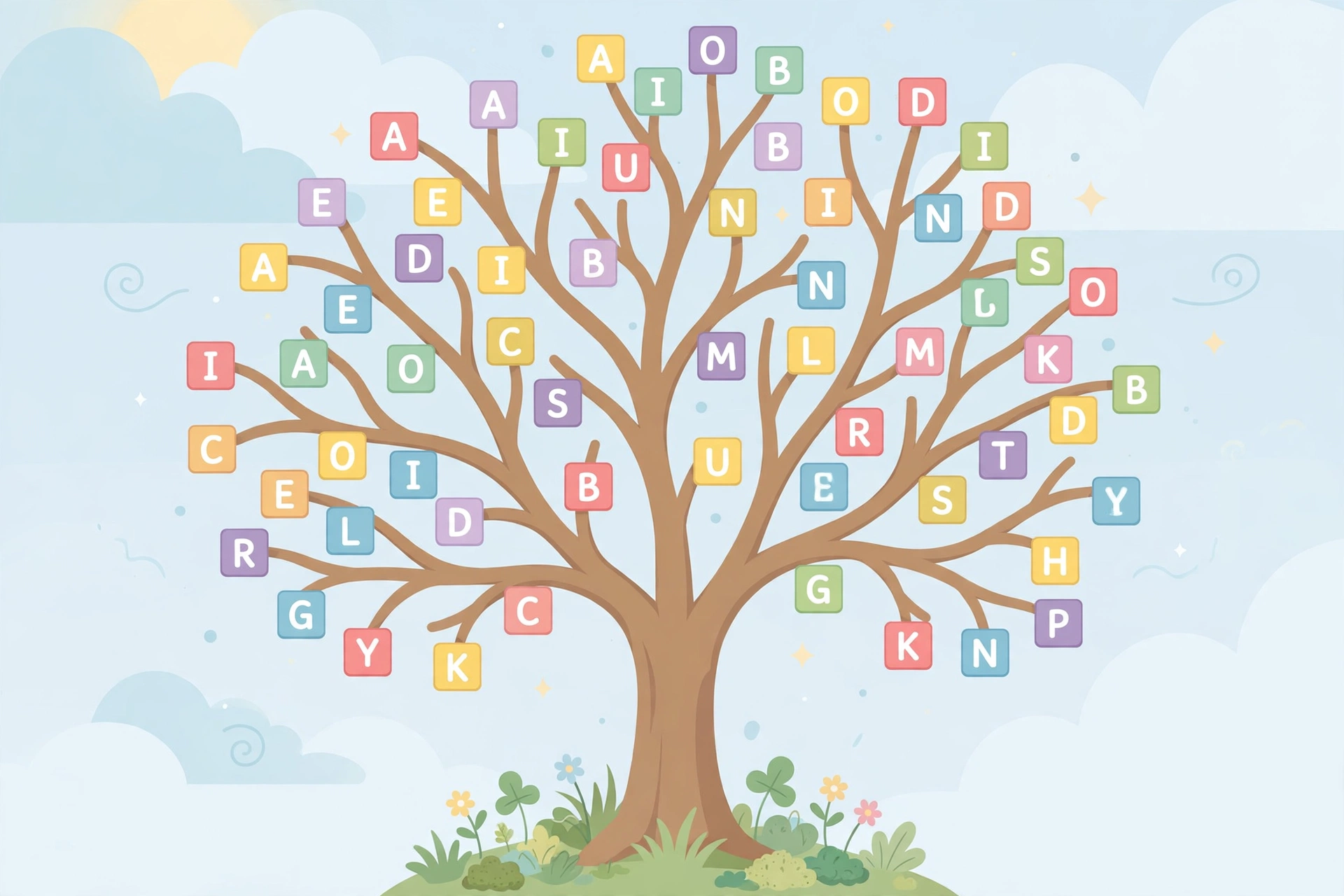
Begin with the required letter and place it mentally inside common patterns. Test frequent beginnings such as re-, un-, pre-, and common endings such as -ed, -er, -ing, -ly, and -tion only when those letters are present. Next, scan for doubled letters because the game usually permits reuse. Then build families from one root: a noun may lead to a plural, a verb form, or an adjective. Write down candidates before choosing the final twelve. During the bonus rounds, match the highlighted letter to the longest valid candidate that uses it. Shuffle the outer letters when your eyes become fixed on one arrangement. A changed visual order often reveals a pair or ending that was present all along. Finish with a deliberate review rather than a burst of guesses.
How scoring changes your choices
Length is the simplest source of points: longer accepted words are usually worth more than short ones. Bonus letters add another layer because a word containing the active bonus can receive a multiplier. A pangram, an accepted word using all seven letters, can create the largest swing. For that reason, do not automatically submit the first long word you notice. Ask whether it can serve a harder bonus letter later. Reserve flexible words that contain several outer letters, and spend less flexible entries when their matching round appears. The best blossom word solver approach balances certainty with upside. A valid four-letter word has value, but a seven- or eight-letter option may produce several times the score while using the same limited slot.
Patterns that reveal more words
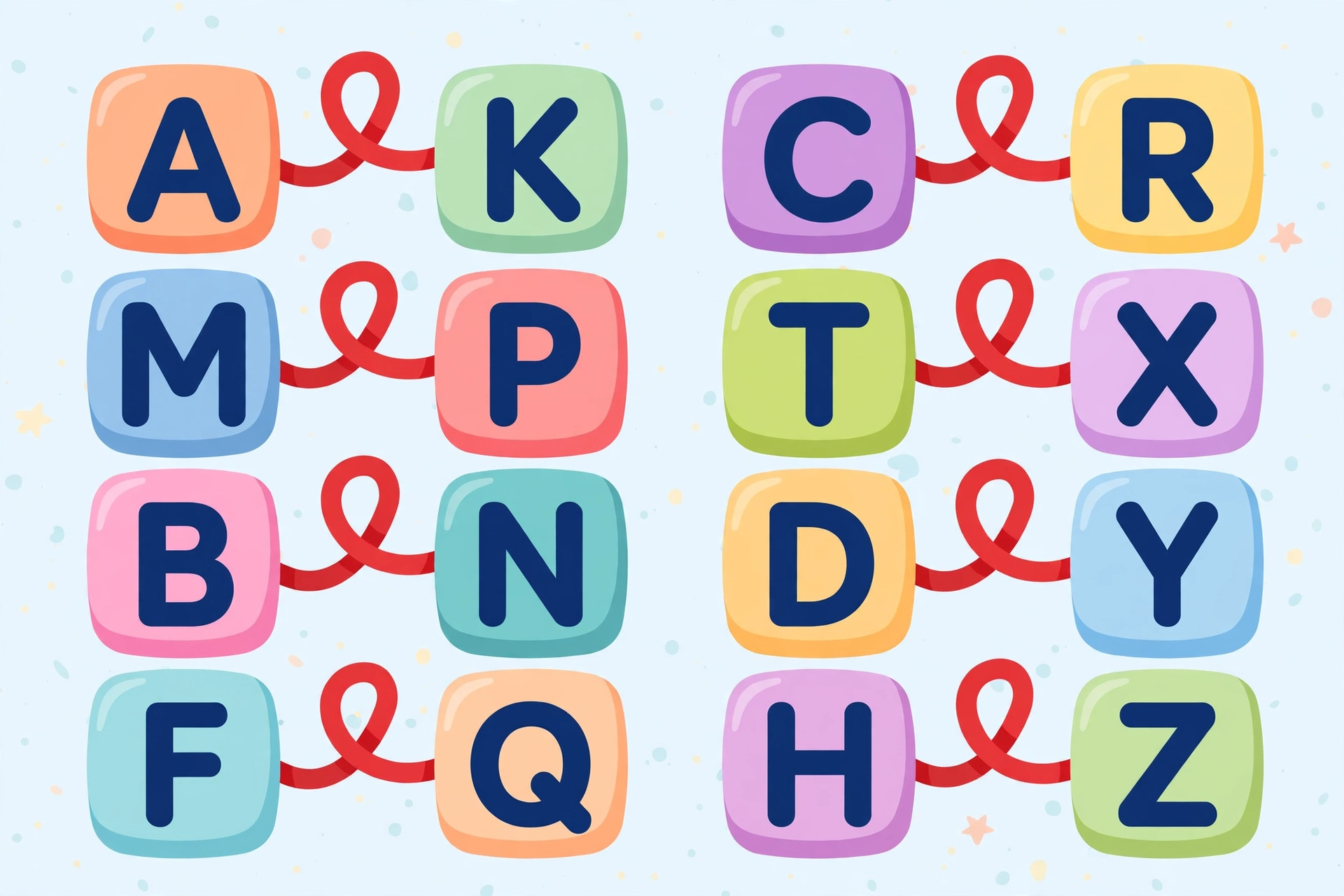
Word families are more dependable than random guessing. If the board supports a base such as rate, test rater, later, relate, or related forms only when every required letter is available. Look for vowel-consonant frames, common digraphs, and endings that can attach to more than one stem. Move the center letter through different positions: first letter, middle, and ending. Players often search only for words beginning with the required letter and miss many legal entries. Repeated-letter permission is equally important; a board showing one E may still support a word with two or three Es. These checks improve letter pairs without relying on an external answer list.
Common mistakes and better fixes
The first mistake is spending all twelve slots on obvious short words. The fix is to keep a candidate bank and submit selectively. The second is forgetting the center letter, especially after shuffling. Check every draft entry before pressing submit. The third is assuming every dictionary word will be accepted. Game dictionaries vary, so rejection does not always mean your spelling is wrong. The fourth is chasing a pangram so long that you ignore several solid bonus words. Set a short search window, then return to the rest of the board. Finally, avoid copying a complete answer list before playing. Progressive hints preserve the puzzle and help the underlying vocabulary skill grow.
Mobile, desktop, and accessibility
A browser-based puzzle should work with mouse, keyboard, and touch. On a phone, tap large letter controls and keep the board in portrait orientation if that leaves enough room for the found-word list. On desktop, typing is usually faster, while clickable petals help confirm the available letters. If the game stops responding, refresh once, disable aggressive script blocking for the page, and check that the browser is current. Zoom should not be required to read the center letter or score. Clear focus states, labeled buttons, reduced-motion support, and sufficient color contrast make the experience easier for keyboard users and people with low vision. Progress can be stored locally without requiring an account.
When a valid-looking word is rejected
A rejected entry can come from four different causes. It may omit the required center letter, include a letter outside the flower, fall below the minimum length, or sit outside the version’s accepted dictionary. Check those possibilities in that order. Do not assume a rejection proves that the word does not exist. Dictionaries make different choices about regional spellings, inflected forms, technical language, and very rare vocabulary. For US English play, use standard American spelling unless the puzzle states otherwise. Keep a note of surprising rejections and verify them after the round with a reputable dictionary. That habit separates game-specific acceptance from real spelling knowledge and prevents the same uncertain guess from consuming time in later puzzles.
How to use hints without spoiling the puzzle
The most useful hint narrows the search while leaving the final recall to you. Start with structure: ask for the length of an unfound word or the letter it begins with. If that is not enough, reveal a common ending or identify whether the answer repeats a letter. A full answer should be the last step, not the first. Progressive clues protect the satisfaction of finding the word and teach a pattern you can reuse. When helping a child or another player, wait long enough for them to test a few ideas before adding a clue. The goal is not simply to complete blossom word solver; it is to leave the player better equipped for tomorrow’s letter set.

Building a stronger twelve-word list
A balanced final list usually contains a few dependable medium-length words, several long bonus candidates, and at least one attempt at a pangram. Before locking the last slot, compare the weakest accepted word with every unused candidate. Replacing a short entry with a longer one may improve the total even without a multiplier. Also check whether two reserved words compete for the same easy bonus while a difficult bonus letter has no coverage. If so, search specifically for a word containing that letter. This small audit is where many high scores are made. Discovery feels like the creative part of the puzzle, but selection determines how much value the discovered vocabulary actually produces.
What the puzzle can and cannot train
Regular word play can exercise retrieval, spelling awareness, pattern recognition, and flexible switching between possible letter combinations. It can also provide a calm break because the rules are bounded and feedback is immediate. It should not be presented as a medical treatment or a guaranteed way to prevent cognitive decline. Think of it as enjoyable language practice. The strongest learning comes when you review unfamiliar accepted words, check definitions, and use one or two in a sentence. Repeated exposure without reflection mostly improves familiarity with the game. Intentional review turns a score-focused session into vocabulary growth while keeping the activity light and enjoyable.
A short practice plan
For one week, record three things after each round: total score, longest accepted word, and one pattern you missed. On day one, focus on accuracy. On day two, build word families. On day three, save strong words for bonus letters. On day four, spend extra time on a possible pangram. On day five, compare your first draft with your final twelve. On days six and seven, combine the methods and look for fewer weak submissions. This simple log makes improvement visible. It also shows whether your main limitation is vocabulary recall, board scanning, bonus planning, or premature submission. Practice should make the next puzzle more systematic, not merely more familiar.
Final takeaway
Blossom Word Solver Guide: Find More Words Step by Step comes down to one principle: collect possibilities before committing limited scoring slots. Respect the center-letter rule, search in families, use repeated letters when allowed, reserve flexible long words, and match them carefully to bonus rounds. The game is relaxing because there is no need to rush, yet it rewards disciplined planning. Use the playable puzzle on this site for practice, then return to this guide whenever systematic search becomes the part of the round that costs you points.
Frequently asked questions
Is blossom word solver free to use?
The browser game on this site is free and requires no account or software download.
Does every word need the center letter?
Yes. Every submitted word must include the required center letter and use only letters shown on the flower.
Can letters be repeated?
Yes. A displayed letter can normally be used more than once inside the same word.
What is the best first move?
Scan for word families and longer candidates before spending one of the twelve scoring slots.
What is a word stem and why does it matter?
A stem is a short core of letters that many words share, such as a center letter plus a common pair. Building outward from stems produces whole families of valid words instead of isolated lucky guesses.
How do I spot a pangram with this method?
Track which petals you have not used yet. When a long candidate word is forming, check whether it can absorb the missing letters, because pangrams usually appear when you deliberately stretch a word to cover the whole board.
Blossom word solver: one final check
Run honestly, this blossom word solver method turns guessing into a checklist, and the blossom word solver steps work on any flower you meet. Pair the blossom word solver routine with our blossom game strategy guide, settle any doubtful spelling in a standard dictionary such as Merriam-Webster, and let each blossom word solver pass leave fewer words unfound.