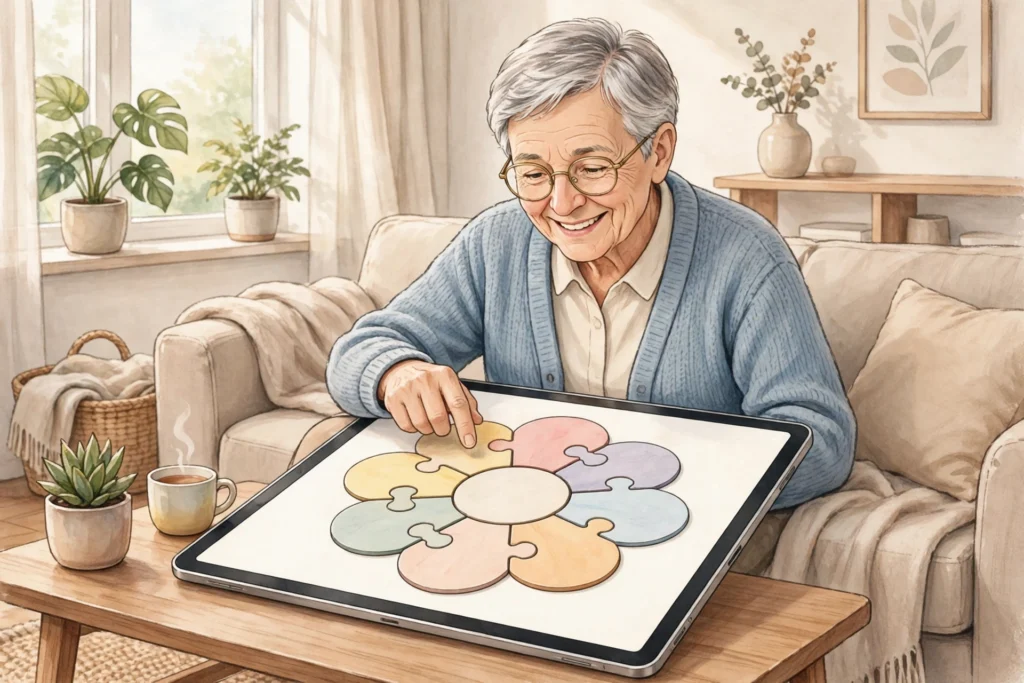
Many older adults enjoy a quiet daily puzzle. It gives structure to the morning, a pleasant break in the afternoon, and a sense of achievement that does not depend on speed or competition. Blossom fits that need well. It is simple to learn, kind to new players, and easy to fit into a daily routine.
This guide explains blossom game for seniors in clear, step-by-step terms. You will learn how the game works, why so many older players enjoy it, how to get started without stress, and how to make it part of a comfortable daily habit. No prior puzzle experience is needed, and there are no answers or spoilers here.
What Is Blossom?
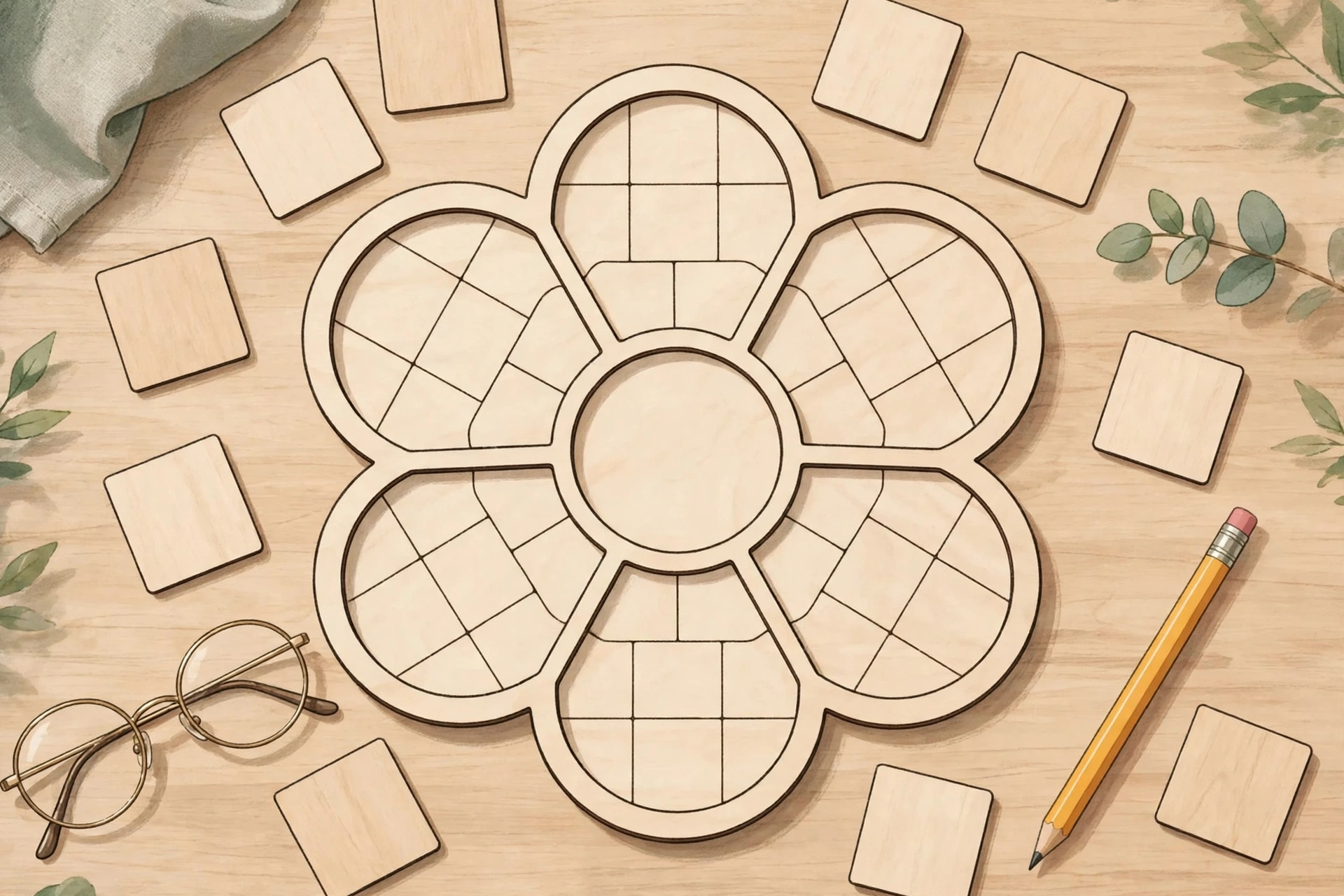
Blossom is a daily word puzzle with a flower-shaped board. The board shows seven letters: six outer petals and one center petal. Your job is to make words that are four letters or longer using those letters. Every word must include the center petal letter, and you may reuse letters as often as you like.
The special challenge is the pangram, a word that uses all seven letters at least once. Finding the pangram is satisfying, but it is not required to enjoy the game. Many players are happy to find a good set of everyday words and stop there. Each day brings a new board, so the puzzle stays fresh without ever becoming a chore.
Blossom is published as an independent daily word game. This guide is informational only and is not affiliated with Merriam-Webster or any other publisher. If you are new to word games in general, you may also enjoy the tips in our Blossom game tips guide, which covers simple habits that help beginners.
Why Seniors Enjoy Blossom
A calm pace with no pressure
One of the main reasons older adults like Blossom is the absence of pressure. There is no clock counting down, no limited number of guesses, and no sudden game-over screen. You can think for as long as you like, try a word, and move on if it does not work. That relaxed pace suits players who prefer to enjoy a puzzle rather than race through it.
If you need to pause for a phone call, a cup of tea, or a rest, the puzzle will wait for you. You can return an hour later and pick up exactly where you left off, which makes Blossom a good fit for a flexible day.
Mental engagement through everyday words
Word puzzles ask you to recall words, notice letter patterns, and test combinations. That kind of gentle mental activity is enjoyable in itself, and many older adults value puzzles as part of staying mentally active. Blossom is especially good for this because it starts with familiar words and gradually invites you to try longer ones.
You do not need a large or unusual vocabulary to start. Short, common words count, and they often lead you to longer words in the same family. For example, once you find a simple root word, you may notice that adding a common ending creates another valid word. That step-by-step discovery feels rewarding without feeling like a test.
A pleasant daily routine
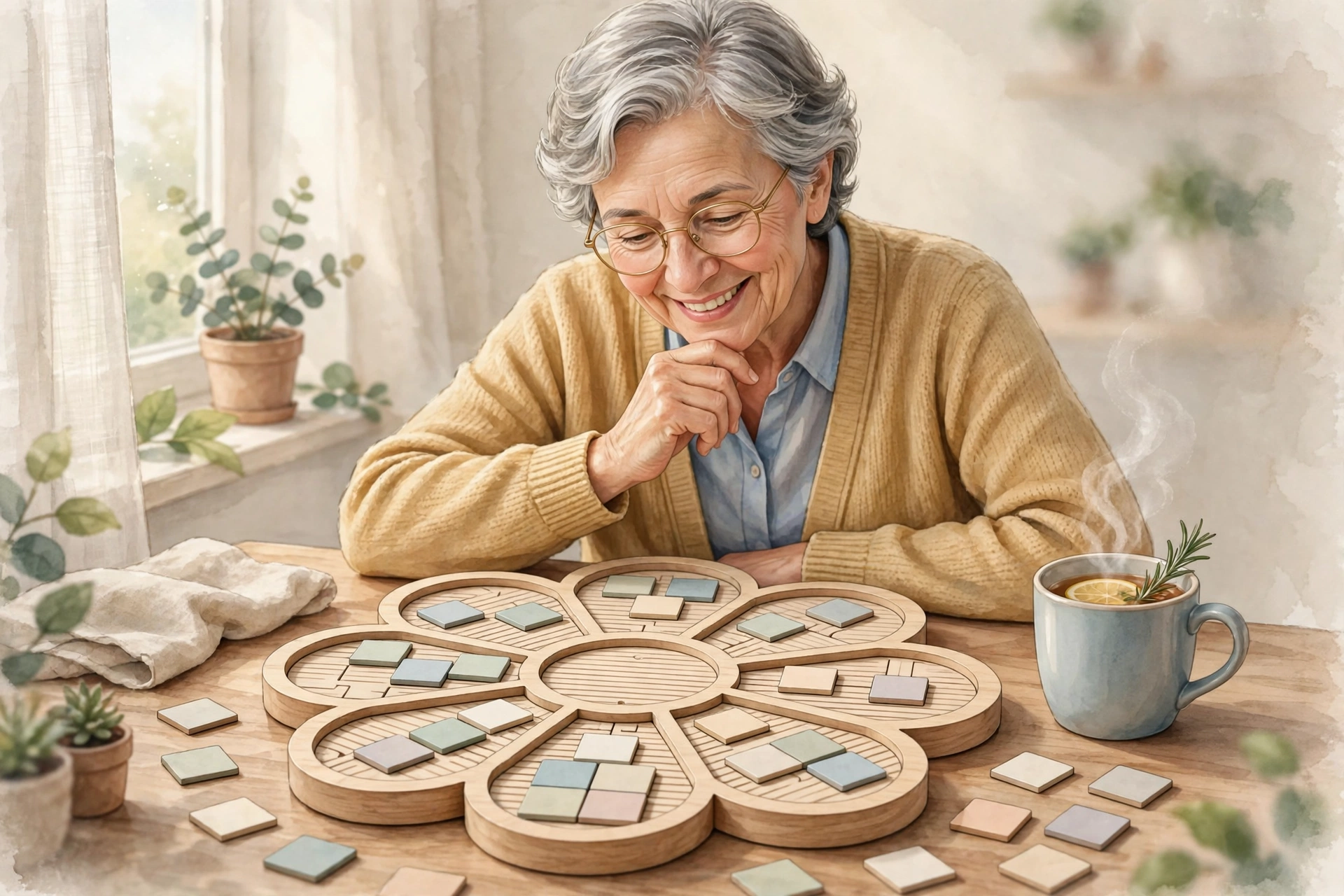
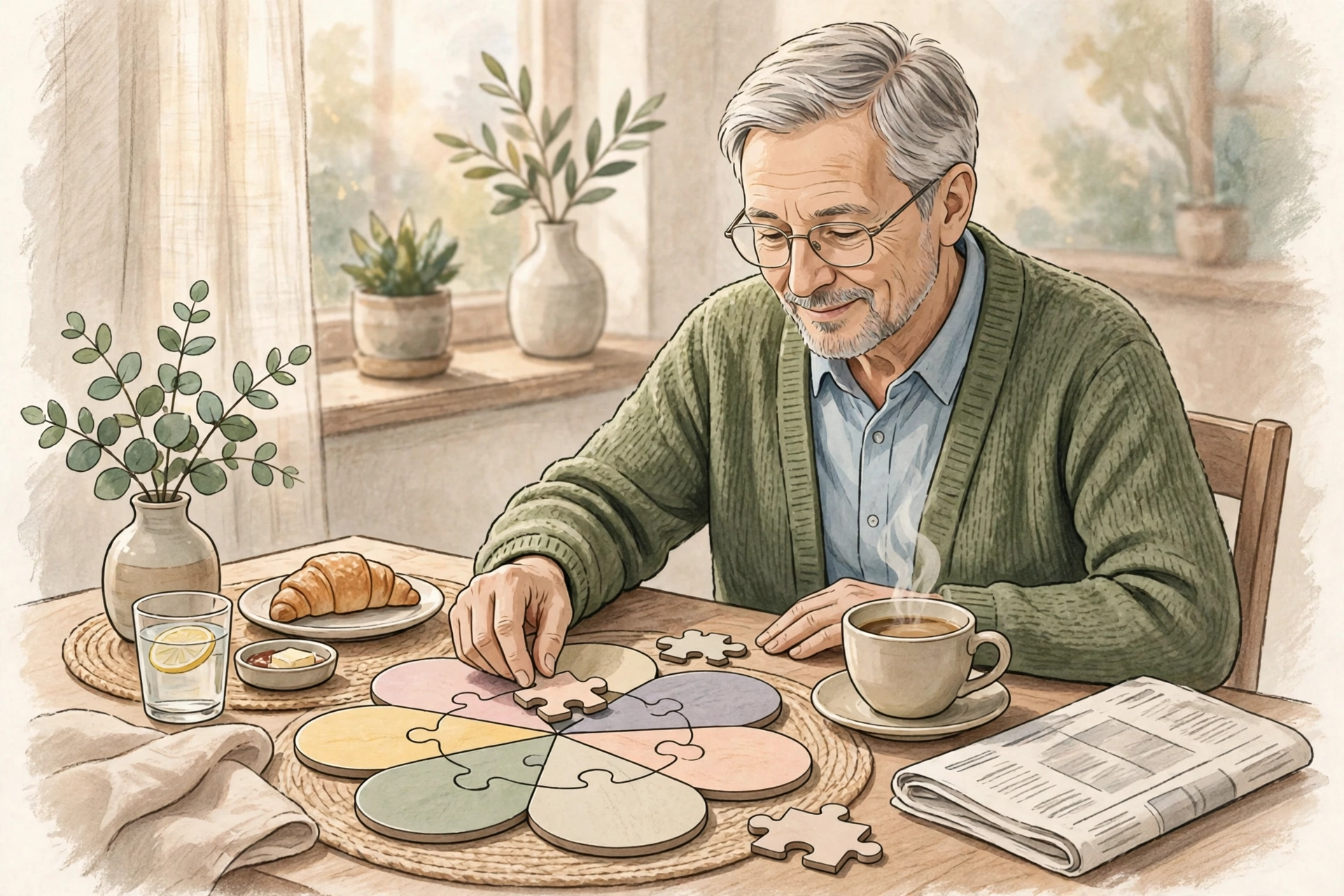
Routines matter, and a daily puzzle can anchor one. Many seniors play Blossom at the same time each day, often with breakfast or in the early evening. That small ritual gives the day a pleasant rhythm and something to look forward to. It also gives you a topic to chat about with family, friends, or fellow puzzle lovers.
Because a new board appears each day, you never have to worry about running out of puzzles or repeating yesterday’s board. Each morning brings a fresh set of letters and a fresh chance to enjoy the game.
Easy to share with family
Blossom is easy to talk about without giving anything away. You can tell a grandchild how many words you found, whether you found the pangram, or which word took you the longest, without sharing the actual answers. That makes it a lovely bridge between generations, since younger family members often play word games too.
Some families play side by side, each on their own device, and compare totals at the end of the day. Others play together on one screen, taking turns to suggest words. Both ways work, and both turn a solo puzzle into a shared moment.
How to Get Started, Step by Step
Getting started is simple. Follow these steps on your first day, and do not worry about getting everything perfect.
- Look at the whole board first. Notice the center petal letter, since every word must include it. Then look at the outer letters and say them aloud if that helps.
- Start with short words. Try simple four-letter words that use the center letter. Early success builds confidence and reveals letter patterns.
- Build word families. When you find a word, ask whether a related form also works, such as adding a common ending. This is one of the fastest ways to grow your list.
- Try longer words slowly. Once you have a good base, look for five, six, and seven-letter combinations. Do not rush this step.
- Hunt for the pangram last. After you have found many words, try to build a word that uses all seven letters. If you do not find it, that is fine. You can try again tomorrow with a new board.
- Stop when you feel satisfied. There is no required score. Some days you may find twenty words, other days forty. Both are good results.
If you enjoy playing with younger relatives, our guide to Blossom game for kids explains how the same game can be shared across ages, with simpler approaches for younger players.
Easy Tips for Senior Players
These tips are practical, not technical. They focus on comfort, clarity, and enjoyment.
Make the screen comfortable
Use a device and screen size that feels comfortable for you. A tablet or a larger phone screen often works better than a small screen, because the letters are easier to read. Increase the text size in your device settings if the letters look small, and adjust brightness so the screen is clear without glare. Good lighting in the room helps too, especially if you play near a window or a lamp.
Work in short, pleasant sessions
You do not need to finish the puzzle in one sitting. Many seniors play for ten to fifteen minutes, take a break, and return later. Short sessions keep the game enjoyable and prevent eye strain or tiredness. If you notice your focus fading, stop and come back with fresh eyes. You will often spot words you missed before.
Keep a notebook nearby
Some players like to jot down word ideas on paper before trying them. A small notebook can help you track word families and remember combinations you want to test. Writing words by hand can also make the game feel more relaxed and less screen-focused, which many older players prefer.
Use familiar words first
Do not chase unusual words at the start. Everyday words are valid, valuable, and often lead to more words. Think about words you use in daily life: food, home, garden, family, weather, and travel words are all good starting points when the letters allow them. As you grow more confident, longer and less common words will come naturally.
Play with a partner when you like
Playing with a spouse, friend, or family member can make the game more fun and less lonely. One person can read the letters aloud while the other suggests words, or you can take turns. There is no right way to share the game, and there is no need to keep score against each other unless you both enjoy a friendly challenge.
Do not worry about the pangram
The pangram is a bonus goal, not a requirement. Some days it will come easily, and other days it will stay hidden. Enjoy the words you do find, and treat the pangram as a pleasant surprise when it appears. Putting too much pressure on one word can take the joy out of an otherwise relaxing game.
For a broader look at how adults of all ages approach the game, see Blossom game for adults, which covers routines, strategies, and ways to fit the puzzle into a busy day.
A Sample Daily Routine
Here is one gentle routine that many senior players enjoy. Adapt it to your own schedule and energy levels.
- Morning: Play for ten minutes with breakfast. Find your first set of easy words and note any promising letter patterns.
- Midday: Return for a short session after lunch. Try longer words and test a few word families you noticed earlier.
- Afternoon: If you enjoy company, share your progress with a friend or family member and see whether they can suggest a word you missed.
- Evening: Make one final, relaxed attempt at the pangram. Then stop, regardless of the result, and look forward to tomorrow’s fresh board.
The key is consistency without pressure. A puzzle habit should add pleasure to your day, not another task to complete. If you miss a day, simply start again the next day. The game does not punish missed days, and neither should you.
Playing Blossom with Grandchildren
Blossom can be a wonderful shared activity across generations. Grandchildren often enjoy word games, and playing together gives you a natural way to spend time, talk, and learn from each other. Younger players may spot short words quickly, while older players may know longer or older words. Both contributions matter.
When playing with children, keep the tone light. Celebrate every word found, take turns suggesting ideas, and avoid turning the game into a lesson. If a child suggests a word that does not work, treat it as a normal part of play, not a mistake. The goal is shared enjoyment, not a perfect score.
You can also use the game as a gentle way to talk about language. Why does a certain ending change a word? What other words share the same root? Those small conversations happen naturally during play and can be more memorable than any formal lesson.
Common Questions from New Senior Players
New players often ask the same questions, so here are clear answers to the most common ones.
Do I need to be good at spelling?
No. You need basic spelling and a willingness to try words. The game accepts many everyday words, and you learn as you play. If a word does not work, simply try another one. There is no penalty for trying.
What if I cannot find many words?
That is normal, especially at first. Start with short words, look for word families, and take breaks. Your word list will grow with practice, and each day’s board is different, so a difficult day is often followed by an easier one.
Can I play on a computer instead of a phone?
Yes, if the game is available on the device you prefer. Many seniors prefer a larger screen, such as a tablet or computer, because the letters are easier to see. Choose the device that feels most comfortable for you.
Is Blossom free to play?
Blossom is offered as a free daily puzzle by its publisher. Features and availability can change over time, so check the official game page for the latest details as of October 2026.
Frequently Asked Questions
Is Blossom game good for seniors?
Yes, for many seniors it is a good fit. The rules are simple, there is no time limit, and you can play at your own pace. It offers gentle mental engagement through everyday words, plus a pleasant daily routine you can enjoy alone or with others.
How long does a Blossom game take for a senior player?
It depends on how you like to play. A quick session may take ten minutes, while a relaxed day of returning to the puzzle may add up to thirty minutes or more. There is no required time, so you can stop whenever you feel satisfied.
Do seniors need to find the pangram to enjoy Blossom?
No. The pangram is an extra goal, not a requirement. Many players enjoy the game simply by finding a good set of everyday words. Finding the pangram is a bonus, and missing it on a given day is completely normal.
Can seniors play Blossom with family members?
Yes. You can play side by side on separate devices, take turns on one screen, or simply compare word counts at the end of the day. Sharing the puzzle often makes it more enjoyable, especially across generations.
What is the easiest way for a senior to start Blossom?
Start with the center letter, find short four-letter words first, then build word families from those words. Play in short sessions, use a comfortable screen size, and do not worry about your score on the first few days. Confidence grows quickly with practice.
Is Blossom affiliated with Merriam-Webster?
No. Blossom is an independent daily word puzzle game. This site is an informational guide only and is not affiliated with, endorsed by, or connected to Merriam-Webster or any other publisher.
Note: This guide is for general information and enjoyment only. It does not offer medical advice. If you have questions about cognitive health, speak with a qualified health professional.
For general guidance on keeping your mind engaged as you age, see the National Institute on Aging page on cognitive health and older adults.